The United States has officially begun relocating deported migrants to the Pacific island nation of Palau as part of its expanding immigration enforcement strategy. However, the first individual sent under the new agreement chose to leave the country after spending only two weeks there, according to Palauan officials.
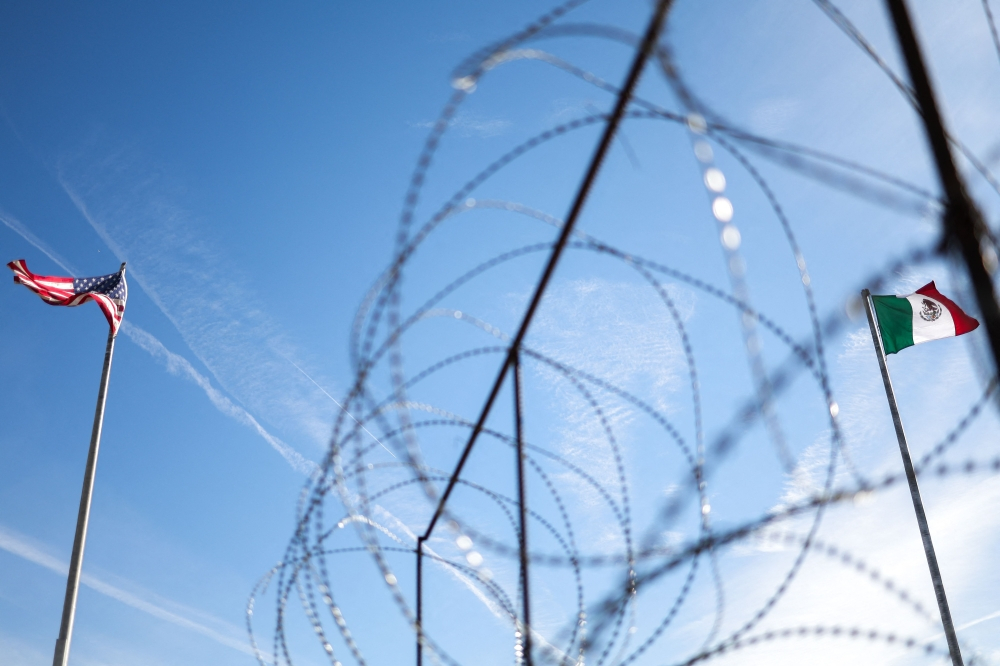
The deportation initiative comes as the US government continues to strengthen its efforts to remove undocumented migrants and unsuccessful asylum seekers. Under the administration of US President Donald Trump, Washington has explored relocation agreements with several countries, including Uganda, El Salvador, Rwanda, and now Palau.
Palau, one of the world’s smallest independent nations with a population of around 20,000 people, signed a memorandum of understanding with the United States in December 2025. The agreement allows Palau to accept up to 75 deportees, provided each individual has a clean criminal record and receives final approval from the Palauan government.
According to a statement from the Office of the President of Palau, the first deportee arrived in late May and was welcomed by local officials.
Authorities assisted the individual upon arrival by providing temporary accommodation, helping set up his mobile phone, and ensuring he had the essentials needed to settle into the community.
Despite these efforts, the man decided not to remain in Palau.
Officials confirmed that after approximately two weeks, he voluntarily left the island nation. They did not disclose his identity, the reason for his deportation from the United States, or his subsequent destination.
The International Organization for Migration (IOM) also confirmed that it met with the individual during his short stay in Palau. However, the migrant declined to receive any assistance or support services offered by the organization.
The relocation agreement between the United States and Palau has generated considerable debate within the Pacific nation.
In exchange for accepting eligible deportees, the United States agreed to provide approximately US$7.5 million in financial assistance to support Palau’s public services and infrastructure development.
The proposal faced opposition from several members of Palau’s Senate, who attempted to challenge the agreement through legal action. However, those efforts were ultimately unsuccessful, allowing the relocation program to move forward.
Palau has long maintained a close strategic partnership with the United States. Located roughly 800 kilometers east of the Philippines, the island nation has become increasingly important in Washington’s Pacific security strategy.
Since taking office in 2020, President Surangel Whipps Jr. has supported the expansion of US defense cooperation, including plans for a long-range radar installation on the islands.
Although Palau became an independent nation in 1994, it remains closely linked to the United States through the Compact of Free Association. Under this agreement, the United States provides significant financial assistance, oversees Palau’s defense, and retains military access to the country’s territory.
The departure of the first deportee highlights the practical challenges that may arise as the United States expands its overseas deportation partnerships. Whether future deportees will choose to remain in Palau or seek opportunities elsewhere remains uncertain as the relocation program continues to develop.