New Delhi authorities have introduced a comprehensive new electric vehicle (EV) policy aimed at reducing the city’s dangerously high air pollution levels. The initiative includes financial incentives for residents to replace older, high-emission vehicles with electric alternatives as part of a long-term clean mobility strategy.
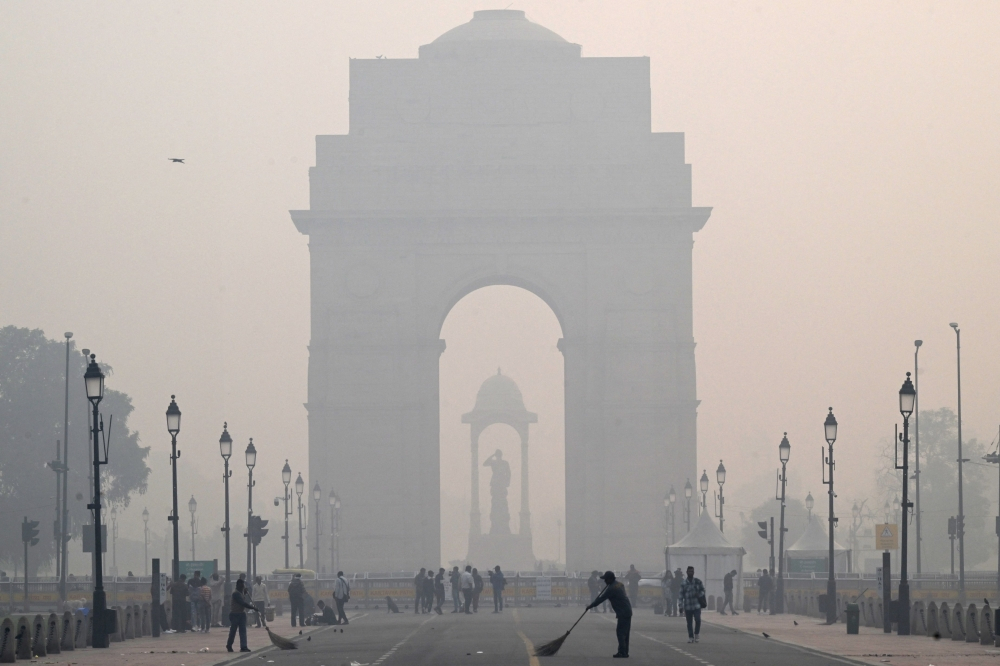
The capital region, home to nearly 30 million people, continues to rank among the most polluted urban centers in the world. Experts attribute the crisis to a combination of heavy traffic emissions, industrial activity, power plant output, and seasonal burning of waste and agricultural residue.
Delhi Chief Minister Rekha Gupta described the policy as a decisive intervention in the city’s environmental struggle, stating, “This is a historic step towards effectively controlling vehicular pollution in the capital and promoting clean transportation.”
Under the new framework, which will be implemented from July 1 and remain in effect until March 31, 2030, residents will receive financial support for scrapping older vehicles. Incentives range from 5,000 rupees up to 100,000 rupees depending on the vehicle category and condition.
Additional benefits have been announced for electric vehicle adoption. Buyers of new electric two-wheelers will receive incentives of 30,000 rupees, while electric three-wheeler buyers will receive 50,000 rupees in support.
The policy also outlines a phased transition toward full electrification of specific vehicle categories. Beginning January 2027, only electric three-wheelers and small commercial trucks will be registered in the city. From April 2028, registration of new petrol and diesel two-wheelers will be completely discontinued.
The urgency behind these measures is underscored by severe public health concerns. A study published in The Lancet Planetary Health estimated that approximately 3.8 million deaths in India between 2009 and 2019 were linked to air pollution exposure. In Delhi, fine particulate matter (PM2.5) levels have been recorded at more than 300 micrograms per cubic metre, nearly 20 times higher than World Health Organization recommended limits.
Despite earlier interventions such as traffic restrictions and artificial misting operations, improvements in air quality have remained limited. A recent analysis by the Centre for Science and Environment indicated that vehicular emissions alone contribute more than half of Delhi’s overall pollution burden.
As the city moves toward this ambitious transition, the success of the policy will depend on public adoption, infrastructure readiness, and long-term enforcement. For millions of residents breathing some of the world’s most polluted air daily, this plan represents not just a policy shift, but a critical step toward healthier urban living.
In the end, this is not just about replacing engines with batteries. It is about the air families breathe on their way to work, children inhale on their way to school, and the future of a city that can no longer afford delay. Whether this initiative becomes a true turning point will depend on how quickly citizens and systems move together toward a cleaner tomorrow.