
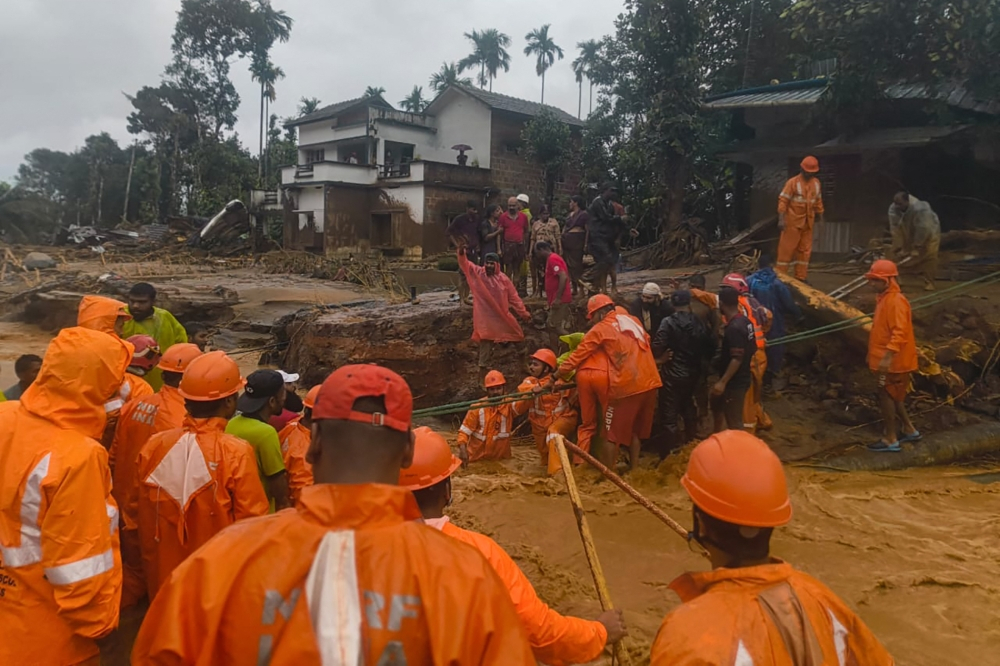
India is facing one of its most destructive monsoon seasons in recent years, with more than 100 people losing their lives as relentless rainfall continues to trigger severe floods and deadly landslides across multiple states. Thousands of families have been forced to leave everything behind, seeking shelter in relief camps while rescue teams work around the clock to save lives.
Every year, the monsoon brings much-needed rainfall that supports agriculture and replenishes water supplies. However, changing weather patterns are making these seasonal rains increasingly unpredictable. Experts have repeatedly warned that climate change is contributing to more frequent and intense weather events, putting millions of people across South Asia at greater risk.
The northeastern state of Assam has suffered the greatest loss so far. According to state officials, at least 87 people have died since the monsoon intensified. Sivasagar district has emerged as one of the worst-hit areas, where floodwaters have submerged communities and claimed dozens of lives. The scale of destruction has prompted state authorities to appeal for public donations to support rescue, relief, and long-term rehabilitation efforts.
Chief Minister Himanta Biswa Sarma described the disaster as unprecedented, expressing that while damaged infrastructure can eventually be rebuilt, no amount of financial assistance can replace the lives that have been lost. His message reflects the emotional toll this disaster has placed on countless families who are mourning loved ones while trying to rebuild their lives.
Images from affected areas show rescue workers transporting stranded residents using inflatable boats and makeshift rafts through flooded villages. Entire communities remain cut off as emergency responders continue to deliver food, drinking water, and medical assistance to those trapped by rising waters.
Southern India has also experienced severe devastation. In Kerala, continuous heavy rainfall has triggered landslides and overflowing rivers, resulting in multiple fatalities and several people still reported missing. Authorities have established hundreds of relief camps that are currently providing shelter to more than 10,000 displaced residents. Emergency teams remain on high alert as additional rainfall threatens already vulnerable regions.
Further north, Jammu and Kashmir has witnessed deadly cloudbursts and sudden episodes of extremely heavy rainfall that have claimed dozens of lives. These rapid weather events have highlighted the growing challenges faced by mountain regions where flash floods and landslides can occur with little warning.
The impact of this year’s extreme weather extends beyond India’s borders. Sri Lanka has also experienced destructive monsoon conditions, with heavy rainfall causing flash floods and mudslides that have forced thousands from their homes. Ironically, while parts of the country battle floods, eastern regions continue to struggle with severe drought, requiring drinking water to be delivered by tanker trucks. Officials have linked these unusual weather extremes to the ongoing El Niño climate pattern, which significantly influences global weather conditions.
As climate-related disasters become more frequent, governments across South Asia are facing increasing pressure to strengthen disaster preparedness, improve early warning systems, and invest in resilient infrastructure capable of protecting vulnerable communities. For many families affected by this year’s monsoon, recovery will take months, if not years, but the immediate priority remains saving lives and providing support to those who have lost everything.