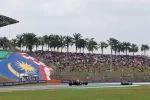
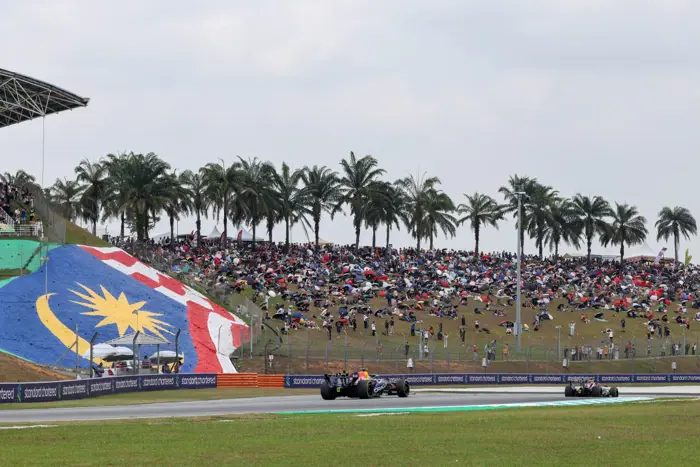
Malaysia’s return to the international Formula 1 spotlight has delivered more than an exciting weekend of high-speed racing. The Bahrain Gulf Air Formula 1 Grand Prix at Sepang International Circuit generated more than RM345 million in economic spillover for local micro, small and medium enterprises, giving businesses across multiple sectors a significant boost.
Entrepreneur Development and Cooperatives Minister Steven Sim Chee Keong said the event attracted around 261,000 spectators, with almost half coming from overseas. The strong international turnout created a valuable flow of spending into Malaysia’s local economy, particularly in areas connected to tourism and visitor services.
For local businesses, the impact was felt far beyond the circuit itself. Hotels, restaurants, food and beverage operators, retailers, transport providers, entertainment businesses, tourism operators and supporting service companies all benefited from the increased demand generated by the international sporting event.
Sim said the economic impact demonstrated how major global sporting events can become powerful drivers of economic activity. When thousands of international visitors arrive, their spending creates opportunities for businesses well beyond the main event venue.
Foreign visitors are particularly important to this economic cycle because they typically stay longer and spend across several categories, including accommodation, food and beverages, transportation, shopping and recreational activities.
Spectators attending the F1 race were projected to spend 2.17 times more compared with visitors attending ordinary events, highlighting the significant commercial potential associated with attracting major international sporting competitions to Malaysia.
For Malaysian MSMEs, this presents a larger opportunity. International sporting events can serve not only as entertainment platforms but also as gateways for local businesses to reach new customers, connect with larger companies and introduce their products and services to international visitors.
The government believes Malaysia can build on this momentum by using major sporting events to create wider market access for small businesses. Stronger partnerships between MSMEs, major industry players, event organisers, tourism operators and local suppliers could help ensure that more businesses benefit from the spending generated by international events.
The RM345 million economic spillover is therefore more than a headline figure. It reflects how global events can create a chain reaction throughout the local economy, from a hotel room booked by an overseas visitor to a meal purchased at a local restaurant, a ride taken with a local transport provider or a product bought from a Malaysian retailer.
As Malaysia continues to position itself as a destination for international tourism, business and sporting events, the challenge will be turning individual events into long-term opportunities for local entrepreneurs.
The Sepang F1 experience shows what is possible when international visitors, tourism and Malaysian businesses come together. With the right partnerships and planning, future global sporting events could create even greater opportunities for MSMEs and strengthen the wider economic benefits for communities across Malaysia.
Source: Bernama