The number of people living in acute poverty worldwide has reached an estimated 1.2 billion, marking the first increase in the global poverty index since its introduction in 2010, according to the United Nations Development Programme (UNDP).
The findings appear in the 2026 edition of the annual Multidimensional Poverty Index report, jointly produced by the UNDP and the Oxford Poverty and Human Development Initiative. The report recorded an increase of 51.5 million people experiencing acute poverty compared with the previous year, highlighting the continuing challenges faced by vulnerable communities across the world.
UNDP Administrator Alexander De Croo described the findings as a wake-up call for the international community, stressing that poverty involves far more than a lack of money.
Behind the figures are millions of people struggling with several hardships at once, including hunger, limited access to education, unsafe or inadequate housing, and shortages of clean water and electricity. De Croo said these overlapping deprivations were unacceptable and called attention to the urgent need for stronger efforts to address global poverty.
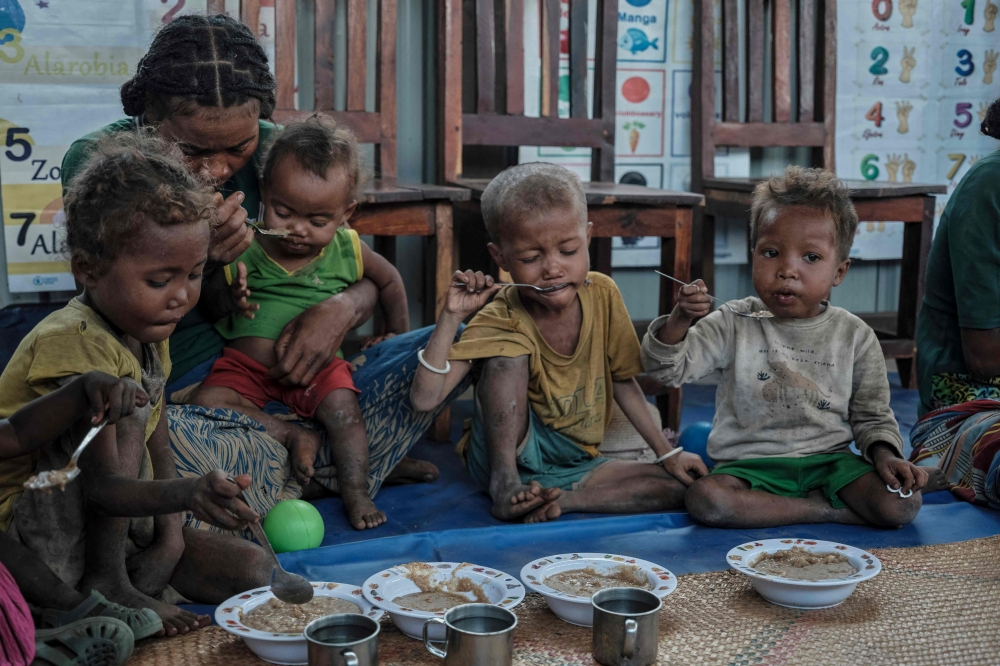
Children remain among the most affected. According to the report, more than half of those living in acute poverty are children, many of whom face barriers to education, proper nutrition, sanitation and other essential services. These challenges can affect their health, development and future opportunities, potentially allowing poverty to continue across generations.
However, the latest increase requires careful interpretation. The UNDP noted that population growth contributed significantly to the rise in the total number of people experiencing poverty. It also cautioned that new data were available for only 13 of the 108 developing countries covered by the report, meaning the findings do not provide a complete picture of changing poverty levels across all countries.
Despite the concerning global figures, the report also highlights meaningful progress. Over the past 15 years, 33 countries have reduced the proportion of their populations living in multidimensional poverty by half. Six of these countries are in sub-Saharan Africa, demonstrating that sustained efforts can produce measurable improvements even in regions facing substantial development challenges.
China and Vietnam were among the Asian countries highlighted for their rapid progress in reducing poverty. Their experiences illustrate how improvements in living conditions and access to essential services can help lift communities out of deprivation.
Nevertheless, the geographical distribution of poverty remains uneven. Sub-Saharan Africa and South Asia continue to account for the majority of people living in acute poverty. South Asia, which includes the densely populated Indian subcontinent, faces the challenge of ensuring that economic and social progress reaches large and diverse populations.
Several countries have recorded encouraging improvements. In Egypt, Nepal and Tajikistan, both the poverty rate and the number of people experiencing multidimensional poverty have declined significantly, according to the UNDP. These developments suggest that progress can be achieved when efforts to improve living conditions reach people facing multiple disadvantages.
Angola and Zambia present a different situation. Although the proportion of people living in poverty has declined in both countries, population growth has more than offset those gains, resulting in an increase in the overall number of people affected. The findings underline why poverty reduction must be assessed through both the percentage of the population affected and the actual number of people experiencing hardship.
The Multidimensional Poverty Index measures deprivation across several essential aspects of life, including housing, sanitation, electricity, cooking fuel, nutrition and education. Unlike measures based solely on income, it seeks to identify how different disadvantages overlap and affect people’s everyday lives.
This broader approach matters because a family may earn some income and still lack safe drinking water, adequate sanitation, reliable electricity or access to quality education. Understanding these overlapping challenges can help governments and development organisations direct resources towards the communities that need them most.
The latest findings serve as a reminder that progress against poverty cannot be measured by economic growth alone. Governments must also consider whether families can afford nutritious food, whether children can attend school, whether communities have access to basic services and whether vulnerable people have a genuine opportunity to improve their lives.
Ultimately, behind every poverty statistic is a person, a family or a child whose opportunities may be limited by circumstances beyond their control. While the global increase is deeply concerning, the countries that have successfully reduced poverty show that progress is possible. The challenge now is to build on those achievements, strengthen essential services and ensure that development reaches the people most at risk of being left behind.