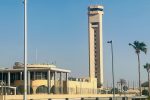
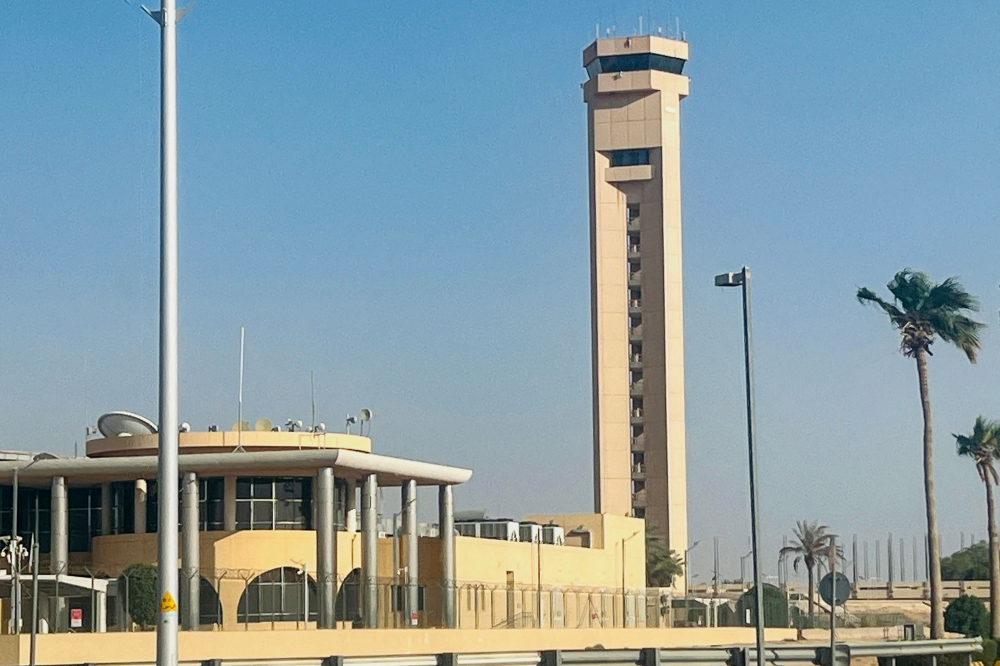
Riyadh faced renewed security concerns after a fresh Houthi attack struck King Khalid International Airport, killing one person and injuring 11 others, according to Saudi Arabia’s civil aviation authority. The incident came just a day after a deadly attack on Saudi soil killed at least 12 people and forced authorities to suspend airport operations.
The latest strikes mark a serious escalation in the long-running conflict involving Yemen’s Houthi movement and Saudi Arabia, which has supported Yemen’s internationally recognised government since 2015. The attacks have raised fresh concerns about the security of critical infrastructure, civilian safety and the stability of regional transport networks.
Fresh strikes target Saudi Arabia’s aviation hubs
The Iran-backed Houthi group claimed responsibility for multiple attacks over a 24-hour period, including strikes targeting Riyadh’s airport. The group also threatened further attacks on Saudi Arabia’s transport infrastructure, describing the kingdom’s transit hubs as potential targets for its operations.
Hours after the claims, the Saudi-led coalition reported that a projectile had struck King Khalid International Airport, triggering a fire. Air defence systems also intercepted a missile in the surrounding area, according to the coalition.
Saudi Arabia’s civil aviation authority confirmed that the latest incident killed a Pakistani resident and injured 11 others. The injured were transported to several hospitals for medical treatment, while authorities began assessing the extent of the damage to airport property.
Flight operations remained suspended as officials assessed the situation. Aviation tracking service Flightradar24 reported that the airport closure had been extended by another 24 hours, until 2100 GMT on the reported day.
Residents and journalists in Riyadh reported hearing several explosions during the attacks. One resident in the Al-Aarid neighbourhood described the force of the blasts, saying the sound was powerful enough to shake the house and send birds into a frenzy.
The violence was not limited to the capital. Saudi Arabia’s civil aviation authority also reported another attack targeting Dammam airport in the eastern part of the country. The Houthis claimed to have targeted the facility as well, while the Saudi-led coalition later reported intercepting a drone in the east.
Civilian casualties raise concerns over escalating violence
The latest airport strike followed a devastating attack on Saturday that reportedly killed at least 12 people and wounded 309 others. According to Saudi Arabia’s civil aviation authority, the fatalities included four Saudi citizens, two Bangladeshi nationals, one American, one Egyptian, one Jordanian, one Syrian, one Palestinian and one Sudanese citizen.
India’s embassy in Saudi Arabia also confirmed that an Indian national died after being injured in the previous day’s attack.
The scale of the casualties has intensified international concern over the growing risks to civilians. The anti-Houthi coalition condemned Saturday’s strike as a serious violation of international law, describing it as a “full-fledged war crime” and promising a decisive response.
The Houthis have also increased attacks on Saudi oil facilities, tankers in the Red Sea and other strategically important locations. Despite Saudi Arabia’s substantial military spending and the deployment of air defence systems, some attacks have continued to penetrate its defences.
Security analyst Thomas Juneau of the University of Ottawa noted that defending a country as geographically large as Saudi Arabia against repeated missile and drone attacks presents significant challenges, even when some incoming threats can be intercepted.
Airport damage disrupts travel and emergency operations
The reported damage to Riyadh’s airport has created uncertainty for passengers, airlines and the wider aviation sector. An aviation source said radar and communications equipment had been damaged and that the runways needed to be assessed before normal operations could resume.
Witnesses described scenes of confusion following Saturday’s attack, with passengers running through terminal areas as injured people were carried to safety. Reports of severe injuries prompted health officials to activate an unusual large-scale call-up of medical personnel, according to a medical source.
Several foreign governments also issued warnings to their citizens. The United States, Canada, Germany and Spain advised their nationals to avoid Riyadh airport, while Australia urged its citizens to remain indoors and shelter in place.
The disruption carries broader implications for international travel. October typically marks the beginning of a busy period for Umrah pilgrimages, when millions of Muslims travel to Saudi Arabia to visit Islam’s holiest sites in Mecca and Medina. Continued airport closures could affect travel arrangements, connecting flights and pilgrimage plans.
The attacks also come ahead of Saudi Arabia’s high-profile convention and entertainment season, adding further pressure on authorities responsible for maintaining public safety and keeping major events operating.
Yemen conflict threatens wider regional stability
Saudi Arabia has been militarily involved in Yemen since 2015, leading a coalition supporting the internationally recognised government against the Houthis. The conflict has involved air strikes, missile attacks, drone operations and repeated struggles over strategic territory and transport routes.
The latest escalation has also coincided with fighting around the Bab al-Mandab Strait, a strategically important maritime passage linking the Red Sea with the Gulf of Aden. Military sources said Saudi-backed Yemeni government forces had been advancing in a counter-offensive against Houthi positions in the area, while the Houthis claimed to have repelled the advance.
The competing claims have been difficult to verify independently because of the rapidly changing situation on the ground and limited access for journalists.
Saturday’s deadly attack drew condemnation from the United Nations and international leaders, including US President Donald Trump, who said he was considering joining Saudi strikes against the Houthis. Israeli Prime Minister Benjamin Netanyahu also condemned the attack despite the absence of diplomatic relations between Israel and Saudi Arabia.
The possibility of further military action has heightened concerns that the conflict could expand, placing additional pressure on regional security and international shipping.
For Saudi Arabia, the immediate priority is protecting civilians, assessing the damage and restoring safe airport operations. For travellers, families and businesses, the uncertainty is a reminder of how quickly conflict can disrupt everyday life far beyond the battlefield.
Ultimately, the human cost remains the most pressing concern. Behind the casualty figures are people who lost loved ones, passengers whose journeys were interrupted and families waiting for news of those affected. Preventing further attacks on civilians and critical infrastructure will be essential to reducing the suffering and limiting the risk of a wider regional crisis.