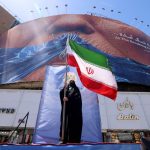
The United States has temporarily lifted sanctions on Iran for 60 days beginning Monday, following the first round of discussions under a newly established peace agreement aimed at reducing tensions across the Middle East. Officials also reported a noticeable decline in fighting in Lebanon, offering cautious optimism after months of violence and uncertainty.
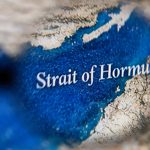
The latest developments come after a turbulent weekend that appeared to threaten the fragile agreement. US President Donald Trump warned that military action could resume if Iran interfered with shipping activities through the Strait of Hormuz after Tehran announced the strategic waterway had been closed. However, tanker traffic began recovering on Monday, and global oil prices continued to decline.
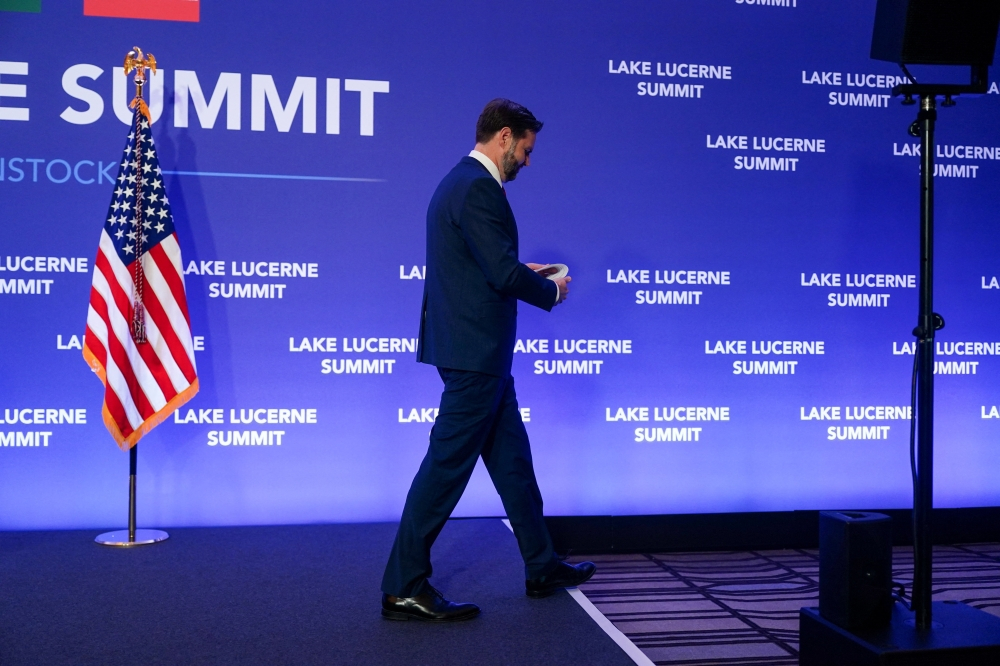
US Vice President JD Vance described recent talks with Iranian officials in Switzerland as constructive and said they had created a strong foundation for a long-term peace agreement. Nevertheless, Iran denied reports that formal negotiations regarding its nuclear program had already begun.
The conflicts involving Iran, Israel, and Lebanon have had devastating consequences, resulting in thousands of deaths and the displacement of millions of people. The war has also shaken financial markets and pushed oil prices higher in recent months. Following reports of progress in negotiations, oil prices settled approximately 3 percent lower on Monday.
During discussions held at the Swiss mountain resort of Buergenstock, mediators from Pakistan and Qatar announced that both sides had agreed on a roadmap toward achieving a permanent peace agreement within the next 60 days.
The parties also established a mechanism aimed at ending hostilities in Lebanon between Israel and Hezbollah. Additionally, they agreed to open communication channels designed to ensure the safe movement of commercial vessels through the Strait of Hormuz and prevent further conflict in one of the world’s most strategically important shipping routes.
As part of initial economic relief measures for Iran, the US Treasury announced a sanctions waiver valid until August 21. The waiver permits Tehran to export oil and related products and receive payment for those sales.
Vice President Vance maintained an optimistic tone throughout the negotiations, stating that Iran had agreed to permit nuclear inspections and establish mechanisms for handling frozen assets and implementing ceasefire arrangements.
“We laid a very good foundation for a successful final deal,” Vance told reporters.
However, Iranian Foreign Ministry spokesperson Esmaeil Baghaei said that Tehran had not discussed nuclear issues in detail and had not made any new commitments regarding its nuclear activities.
President Trump later stated that Iran would be required to undergo weapons inspections to ensure what he called “nuclear honesty.” He warned that the United States would respond if Iran failed to honor its commitments.
Iran has significantly limited international nuclear inspections since previous rounds of military action and entirely suspended inspections after the war escalated in February. Tehran continues to insist that its nuclear program is intended solely for peaceful purposes.
Iranian Foreign Minister Abbas Araqchi announced that Tehran had secured important economic concessions, including sanctions waivers for oil and petrochemical exports, access to portions of its frozen overseas assets, and plans for national reconstruction and development.
Vice President Vance also revealed that White House envoy Jared Kushner had proposed a system in which the United States and Qatar would oversee the management of unfrozen Iranian funds. President Trump suggested that some of these funds could be used to purchase American agricultural products such as corn, soybeans, and wheat.
However, Iran’s Central Bank Governor Abdolnaser Hemmati rejected claims that there was any obligation to use the funds exclusively for American goods. He stated that at least part of the released assets could be spent on other non-sanctioned products.
Technical discussions are expected to continue throughout the week.
The interim peace agreement seeks to end hostilities across the region, including in Lebanon, where conflict intensified after Hezbollah launched cross-border attacks and Israel responded with military operations. Although Israel is not formally part of the Iran-US peace agreement and has indicated that it will not withdraw its troops from Lebanon, both sides agreed to a new ceasefire on Friday.
While fighting continued briefly afterward, Lebanese officials reported that violence has significantly decreased since Saturday night.
In southern Lebanon, many residents are cautiously observing the ceasefire. Hassan Wazni, director of a hospital in the heavily bombarded city of Nabatieh, described the recent calm as the longest period without major violence since the war began.
More than one million Lebanese citizens have been displaced by the conflict. Although some families have started returning home, many remain hesitant due to fears that the ceasefire could collapse.
In the southern town of Qennarit, mourners gathered to bury four women who were killed during Saturday’s Israeli strikes, serving as a painful reminder of the human cost of the conflict.
While the new peace roadmap offers a rare opportunity for diplomacy and regional stability, the coming weeks will be crucial. The success of the agreement will depend on continued dialogue, mutual trust, and the willingness of all parties to honor their commitments and place peace above confrontation.