Britain has unveiled plans for one of the most significant online safety reforms in the world, with Prime Minister Keir Starmer announcing a proposed ban on social media access for children under the age of 16.
The initiative is designed to create a safer online environment for young people while addressing growing concerns about the impact of digital platforms on children’s mental health, wellbeing, and development.
Speaking at a press conference, Starmer emphasized that the government believes a complete ban for under-16s is the most effective way to tackle the challenges children face online today.
According to Starmer, the proposed measures are intended to give children more freedom to grow, spend less time glued to screens, and enjoy a healthier balance between their online and offline lives.
“This is about protecting young people and creating a safer future for the next generation,” Starmer said, highlighting the need for stronger safeguards in an increasingly digital world.
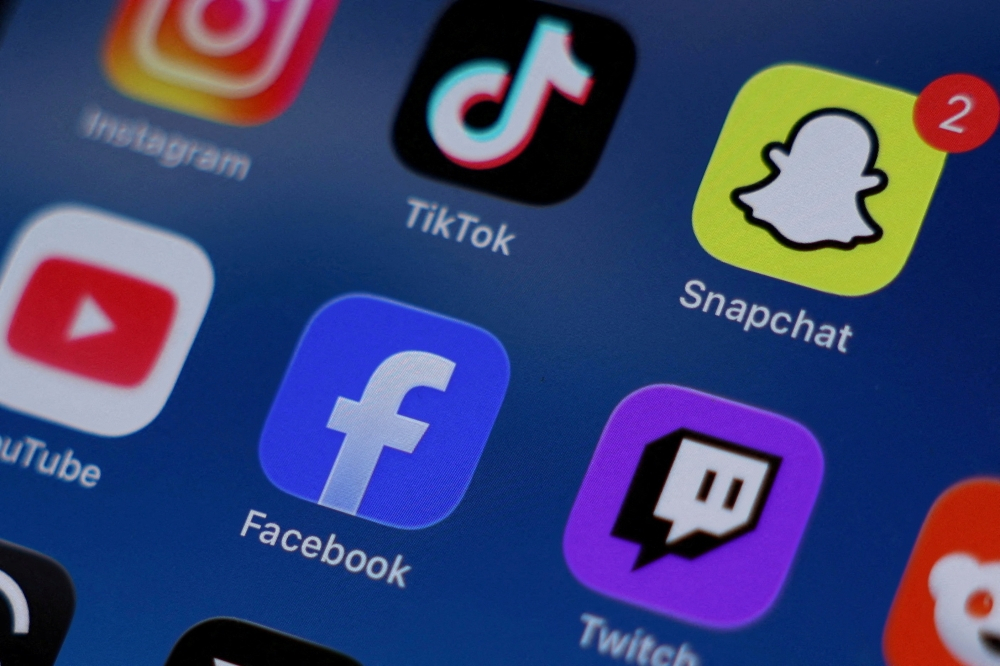
The planned restrictions would affect major social media platforms such as TikTok, Instagram, Snapchat, Facebook, and other services commonly used by teenagers. In addition, the government intends to introduce tighter controls on gaming and livestreaming platforms that allow young users to communicate with strangers.
Officials argue that many online environments expose children to risks that parents would never accept in everyday life. The government believes stronger regulations are necessary to reduce harmful interactions and improve online accountability.
The proposal follows years of increasing pressure on technology companies to enhance child safety measures. Britain has already introduced age-verification requirements and pushed platforms to adjust recommendation algorithms while taking steps to prevent the sharing of inappropriate content among minors.
However, concerns about excessive screen time, online addiction, cyberbullying, and mental health challenges have prompted policymakers to consider more comprehensive action.
If approved, the first phase of the restrictions could begin soon, with additional regulations expected later in the year. A full ban on social media access for under-16s could potentially come into effect by next spring.
The government says the decision was influenced by extensive consultations with parents, teachers, child safety experts, and young people themselves. More than 116,000 responses were submitted during the consultation process.
Survey findings revealed strong public support for tougher regulations. More than 83 percent of participating parents believed the risks associated with social media outweigh its benefits for children, while approximately 90 percent supported setting the minimum age for social media access at 16.
Britain’s approach follows similar action taken by Australia, which became the first country to introduce a nationwide social media ban for children under 16. Since then, several governments around the world have begun exploring stricter digital safety regulations amid growing concerns about the long-term impact of social media on young users.
Despite widespread support, the proposal has also sparked debate among researchers and psychologists. Some experts argue that there is currently limited evidence proving that outright bans alone can solve complex issues related to youth mental health and digital wellbeing. Others believe a combination of education, parental involvement, and platform accountability may be equally important.
As discussions continue, one thing remains clear: governments worldwide are paying closer attention to how technology affects children, and Britain’s latest proposal could become a defining moment in the global conversation about online safety.
The debate is no longer just about technology. It is about childhood, mental health, personal development, and how society chooses to protect future generations in an increasingly connected world.