Indian Prime Minister Narendra Modi has announced a major new education initiative aimed at helping young people prepare for competitive examinations without the heavy financial pressure associated with private coaching.
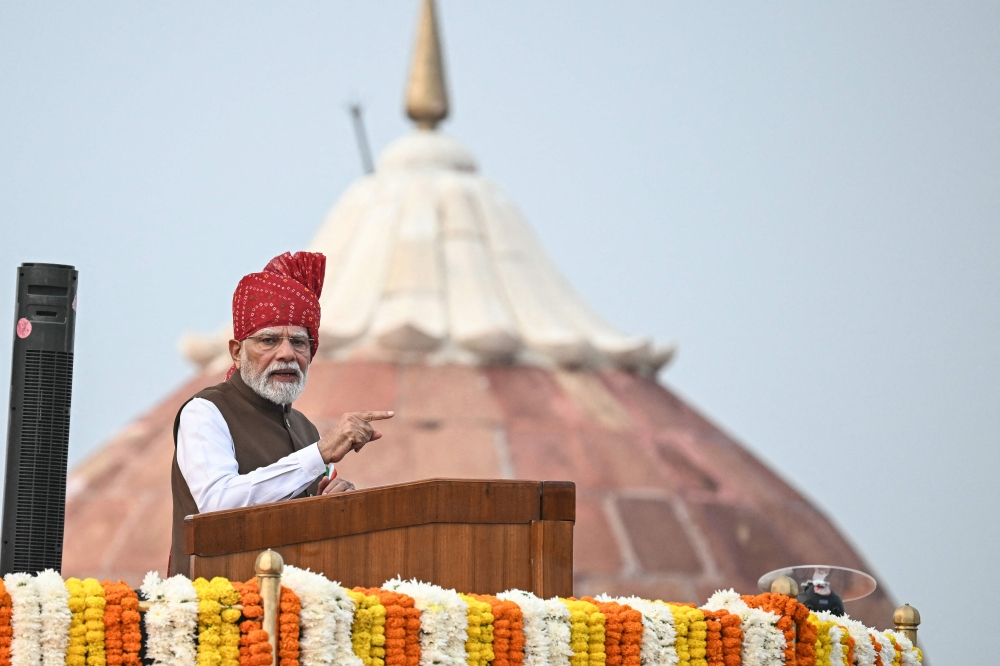
Speaking from the historic Red Fort in New Delhi on India’s Independence Day, Modi said the government would introduce free online coaching for a range of competitive exams. The announcement comes at a time when frustration among students and young job seekers has reached a critical point following exam paper leaks and recruitment controversies.
“We have decided to provide free online coaching for various competitive examinations for our youth,” Modi said, pointing to India’s growing digital infrastructure and the availability of talented teachers and educators.
For millions of Indian families, competitive examinations are more than academic tests. They can determine access to medical colleges, government jobs and other opportunities that are seen as pathways to financial stability. The intense competition has also created a huge private coaching industry, with families often spending significant amounts of money to give their children an advantage.
Modi said the new online coaching initiative would particularly help poor and middle-class families by reducing the cost of preparation and allowing students to study from home.
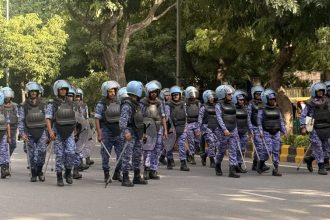
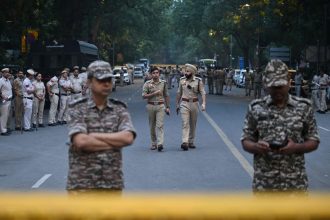
The announcement follows widespread protests over the alleged leak of a major medical entrance examination paper and other recruitment-related controversies. The unrest intensified concerns about fairness, transparency and the pressure placed on young Indians competing for limited educational and employment opportunities.
The government has also moved to strengthen penalties related to examination paper leaks, reflecting growing public demand for greater accountability within the examination system.
Beyond education, Modi used his Independence Day address to outline a broader vision for India’s economic and technological future.
One of the headline announcements was a plan to provide artificial intelligence training to 10 million young people over the next year. The initiative is designed to prepare the country’s younger workforce for an economy increasingly shaped by AI, digital technology and advanced skills.
Modi also reiterated his ambition for India to become a developed nation within the next two decades. His wider development agenda includes manufacturing, agriculture, technology, defence, tourism, yoga and handicrafts.
Manufacturing was given particular importance, with Modi saying India should establish itself as a trusted global supply-chain partner. He also outlined plans for additional semiconductor facilities and nuclear power projects as part of the country’s long-term infrastructure and energy strategy.
At the heart of the speech, however, was a message directed toward India’s youth.
For students facing expensive coaching, intense competition and uncertainty about their future, free access to quality preparation could represent more than a government programme. It could mean that a student’s financial background becomes less of a barrier to competing for an opportunity.
The bigger question now is how effectively the initiative will be implemented.
India’s young population represents one of its greatest strengths, but that opportunity depends on access to quality education, fair examinations, relevant skills and meaningful employment. Free coaching and AI training may help, but their real impact will ultimately be measured by whether young people can turn those opportunities into better careers and more secure futures.
As India looks toward 2047, its youth will remain central to that journey. The challenge is not simply preparing young people to pass examinations. It is preparing them to compete, innovate, work and succeed in a rapidly changing world.