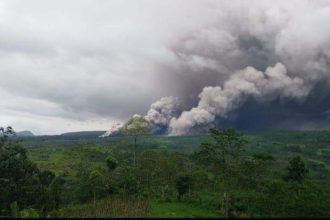
The scale of the disaster along the China-Nepal border continues to grow, with Nepalese authorities reporting that at least 1,287 people have died and another 5,083 remain missing following devastating floods and mountain collapses.
The disaster, which began on August 26 after glacial and mountain collapses triggered destructive flooding, has also caused widespread devastation across the region.
Chinese state media reported that 21 people were killed in Tibet, while 541 others remain missing. Combined with Nepal’s figures, the reported toll across the affected areas has reached at least 1,308 deaths, with 5,624 people still unaccounted for.
The human cost extends beyond local communities. More than 800 foreign nationals are still missing, including trekkers travelling through the Himalayas and pilgrims who had travelled to Tibet to visit Mount Kailash, a site of deep religious significance to Hindus and Buddhists.
The disaster has also had consequences beyond Nepal and Tibet. At least 17 bodies have been recovered from rivers in India, with officials believing they may have been carried downstream from Nepal. These deaths have not been included in the reported toll.
Behind every number is a family waiting for answers, a community searching for loved ones and people whose lives have been changed in a matter of hours. As rescue and recovery efforts continue, the growing death toll is a stark reminder of how quickly natural disasters can turn into humanitarian crises.
The priority now is not only counting the losses, but finding those who are still missing, supporting survivors and helping affected communities begin the long and difficult process of rebuilding.