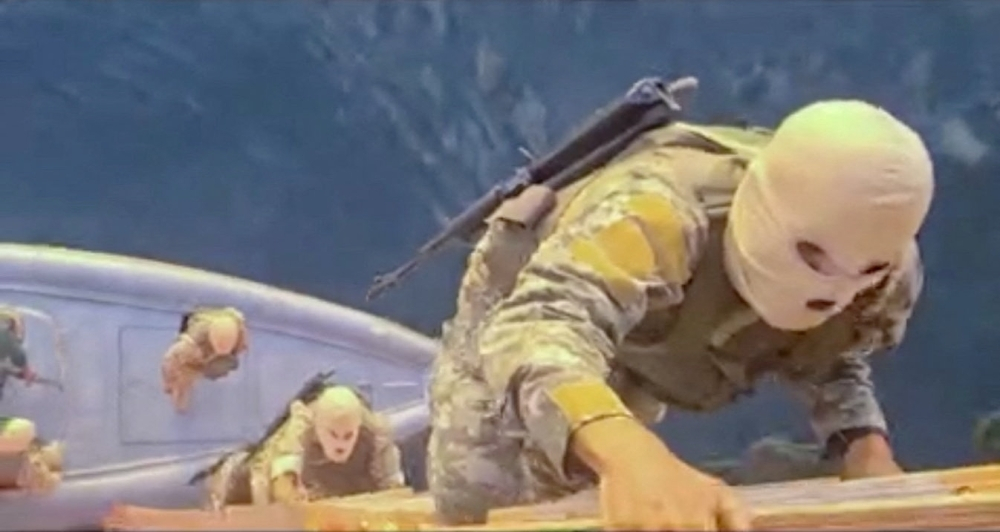
Tensions in the Middle East continue to rise as Iran seized two ships in the Strait of Hormuz, tightening its hold over one of the world’s most critical oil routes. The move came just as former US President Donald Trump decided to delay planned military strikes, signaling uncertainty rather than resolution.
Despite stepping back from immediate escalation, the US has maintained its naval blockade on Iranian trade routes. Iranian parliament speaker and chief negotiator Mohammad Baqer Qalibaf made it clear that any meaningful ceasefire would require lifting the blockade. He strongly criticized the situation, stating that reopening the strait under current conditions would not be possible.
The Strait of Hormuz, a narrow but vital passage, handles nearly one-fifth of global oil and gas shipments. With Iran effectively restricting access, global markets are feeling the pressure. Oil prices have surged, with Brent crude crossing the $100 mark for the first time in weeks, adding strain to economies already navigating uncertainty.
Iran’s Revolutionary Guards confirmed the seizure of two vessels over alleged maritime violations, marking the first such action since the conflict began in late February following joint US-Israeli strikes. They also issued a stern warning, calling any disruption in the strait a “red line.”
Meanwhile, diplomatic efforts remain fragile. Trump revealed that the US had agreed to pause attacks following mediation efforts led by Pakistan, giving Iran time to present a unified proposal. However, no new deadline has been set for a ceasefire, and talks appear stalled after both sides failed to meet for scheduled negotiations.
The lack of progress hints at deeper divisions within Iran’s leadership, according to US officials. Pakistani mediators, who had hoped to bridge the gap, described the missed talks as an unexpected setback, though they remain optimistic that dialogue can resume.
In a show of strength, Iran displayed ballistic weapons during a large public parade in Tehran, sending a clear message of defiance. State media broadcasts showed crowds waving flags, reinforcing the country’s stance on maintaining control over the strait.
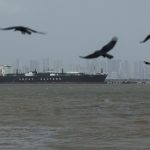
The situation at sea has also intensified. The seized vessels included the Liberia-flagged Epaminondas and Panama-flagged MSC Francesca. The operator of Epaminondas confirmed the ship was fired upon and sustained minor damage, though no injuries were reported. Another vessel in the same region came under fire but managed to continue its journey.
US officials labeled the seizures as piracy but noted that since the ships were neither American nor Israeli, the incidents did not technically violate the ceasefire. Still, maritime traffic has dropped significantly, with far fewer vessels passing through the strait compared to normal levels.
On the military front, the US has reportedly turned back dozens of ships as part of its blockade efforts. At the same time, underlying tensions remain unresolved. Washington continues to push Iran to abandon uranium enrichment, while Iran demands sanctions relief, compensation, and recognition of its strategic authority.
The broader region remains on edge. Recent clashes involving Israel and Hezbollah in southern Lebanon highlight how quickly the situation could escalate beyond control.