
The latest Pulitzer Prizes announcement has brought intense attention to journalism focused on Donald Trump and the far-reaching consequences of his policies. This year’s awards didn’t just celebrate storytelling—they underscored the growing tension between political power and press freedom in the United States.
Ahead of the announcement, Pulitzer Administrator Marjorie Miller made a pointed statement defending the role of journalism in democracy. She stressed the importance of open dialogue and warned against censorship, especially at a time when access to key institutions like the White House and Pentagon has reportedly tightened, and legal pressures on media organizations are increasing.
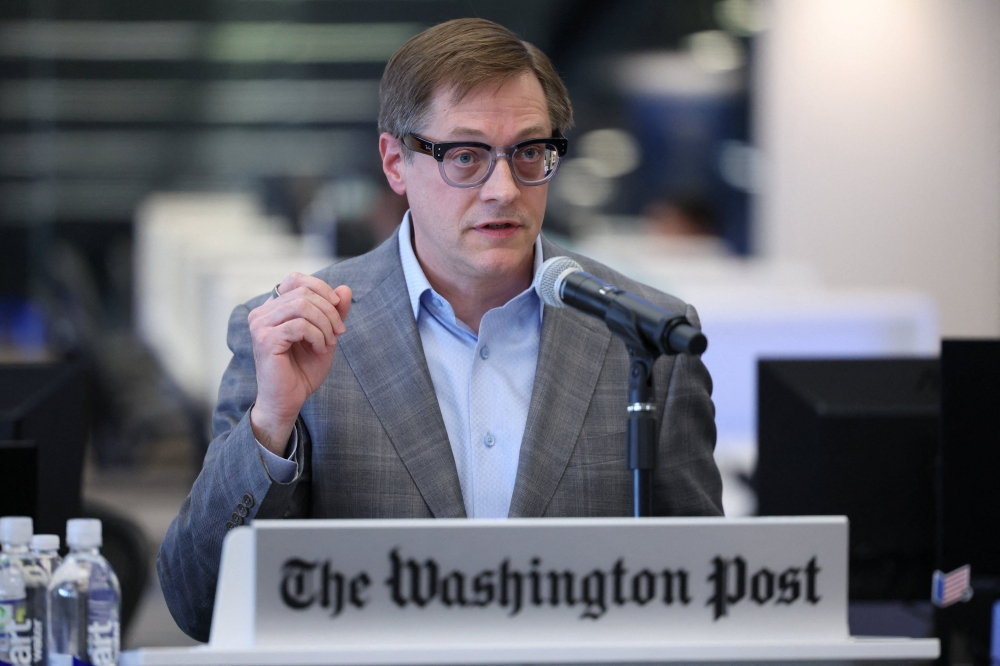
One of the most prestigious honors, the public service award, went to The Washington Post. Its reporting offered a detailed look at the sweeping and often chaotic restructuring of the federal government under Trump, focusing on how these changes affected everyday Americans and the country at large.
Meanwhile, The New York Times secured the investigative reporting prize. Its work exposed how political influence was allegedly used to generate financial gain, shedding light on connections between Trump’s inner circle and wealthy international figures, including involvement in emerging sectors like cryptocurrency.
In local journalism, The Chicago Tribune was recognized for its powerful storytelling on immigration enforcement, describing operations that turned parts of the city into what some residents experienced as heavily controlled zones. Another local reporting award went jointly to Connecticut Mirror and ProPublica for uncovering unethical vehicle towing practices.
A special citation was awarded to Julie K. Brown of Miami Herald for her earlier investigative work on Jeffrey Epstein. Her reporting had revealed how legal systems failed to hold Epstein fully accountable during initial allegations, making a lasting impact on public awareness.
In visual journalism, The New York Times also earned recognition for powerful images captured by Saher Alghorra, documenting the humanitarian crisis in Gaza amid conflict with Israel.
Reuters stood out with multiple awards, including national and beat reporting. Its coverage examined how executive power was used politically and revealed how major tech platforms like Meta allegedly allowed scams and AI manipulation to affect users.
International reporting honors went to Associated Press for uncovering how surveillance technology from the United States was sold to China, raising serious ethical and geopolitical questions.
The explanatory reporting category was won by the San Francisco Chronicle for its deep dive into the aftermath of devastating wildfires in Los Angeles, exposing how insurance practices left many homeowners struggling to rebuild.
Other notable winners included the Minnesota Star Tribune for breaking news coverage of a tragic school shooting, and Aaron Parsley of Texas Monthly for a deeply personal feature on catastrophic floods in Central Texas.
Beyond journalism, the awards also honored achievements in arts and literature, including drama, history, and biography, reaffirming the Pulitzer legacy as a broad celebration of storytelling and truth.
Overseen by Columbia University, the Pulitzer Prizes remain one of the most respected recognitions in global media—especially in times when the role of journalism is being tested like never before.