
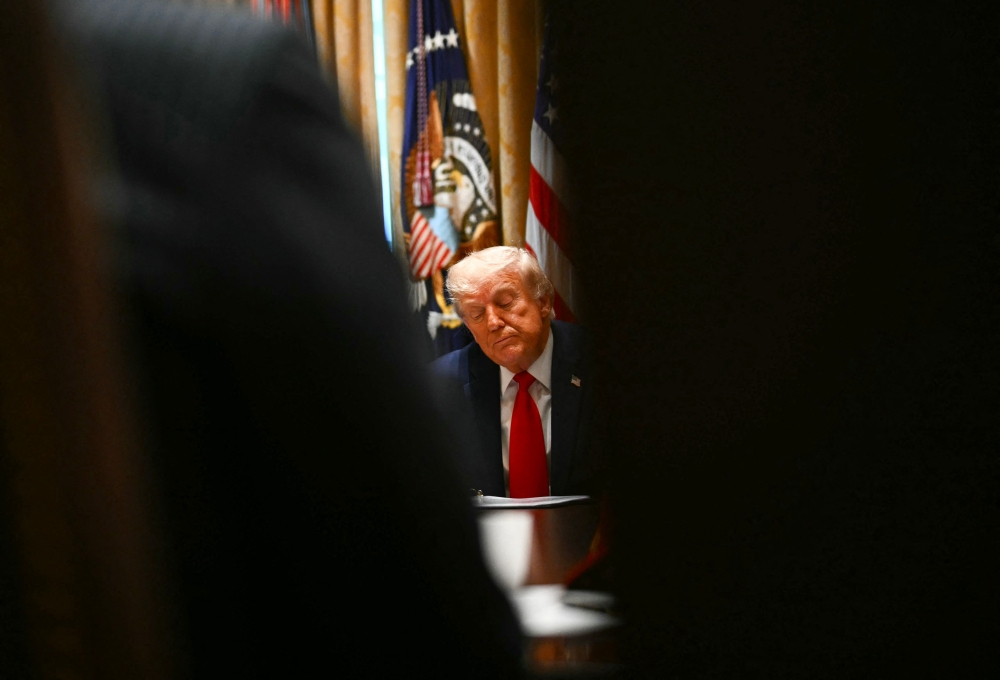
The United States and Iran appear to be edging closer to a significant diplomatic breakthrough as both nations work toward extending their current ceasefire arrangement for another 60 days. While negotiators have reportedly made substantial progress, President Donald Trump has not yet given his final approval, signaling that important issues remain on the table.
According to U.S. officials, representatives from Washington and Tehran have drafted a memorandum of understanding (MOU) that would extend the existing truce and create a framework for continued discussions. The proposed agreement is seen as a potential step toward reducing tensions in one of the world’s most strategically important regions.
Despite reports suggesting that the two sides have reached a preliminary understanding, U.S. Vice President JD Vance emphasized that the deal is not yet finalized. Speaking to reporters, Vance explained that negotiators are still refining certain sections of the agreement.
“It’s hard to say exactly when or if the President is going to sign the MOU,” Vance said. “We’re continuing discussions on a few language details, but we’ve made considerable progress.”
Vance noted that Iranian negotiators have, so far, participated in discussions in good faith. He added that both countries share an interest in restoring normal commercial activity through the Strait of Hormuz, a critical shipping route that plays a vital role in global energy markets.
However, one of the most challenging issues remains Iran’s stockpile of enriched uranium. While both sides appear willing to continue negotiations, disagreements persist regarding how existing nuclear materials should be handled and monitored.
Treasury Secretary Scott Bessent also expressed cautious optimism, suggesting that the foundation of a deal may be taking shape. Nevertheless, he stressed that President Trump remains committed to securing an agreement that aligns with U.S. interests.
“The President is not going to accept a deal that falls short of America’s objectives,” Bessent said. “He wants an agreement that delivers lasting security and stability.”
Reports indicate that the proposed 60-day arrangement would allow unrestricted passage through the Strait of Hormuz. Under the framework, Iran would be expected to remove maritime mines within a designated timeframe, while the United States would gradually ease naval restrictions in response to the restoration of commercial shipping activity.
The agreement would also reportedly include a commitment from Iran not to pursue nuclear weapons development. Additional negotiations are expected to address the future of Iran’s enriched uranium reserves, one of the most sensitive aspects of the broader dispute.
President Trump recently stated that he remains “not satisfied” with the current proposals, suggesting that more work is needed before a final agreement can be reached. He reiterated his longstanding position that Iran must not obtain nuclear weapons under any circumstances.
The ceasefire currently in place has helped reduce direct hostilities, although both Washington and Tehran have recently accused each other of violating elements of the truce. Despite those allegations, U.S. officials maintain that the ceasefire remains active and continues to provide a platform for further diplomatic engagement.
As negotiations continue, the international community is watching closely. A successful extension could help stabilize regional security, protect global trade routes, and create opportunities for broader diplomatic progress. At the same time, unresolved nuclear concerns remain a significant hurdle that both sides must overcome before a lasting agreement can be achieved.
The coming days are likely to determine whether the tentative progress made so far can be transformed into a formal agreement. While optimism exists, both governments face difficult decisions that will shape the future of U.S.-Iran relations and influence geopolitical stability across the Middle East.