
A growing disagreement within Asian football has brought new tension to the sport’s leadership, with Qatar challenging the Asian Football Confederation’s decision to join European and North American football authorities in opposing FIFA president Gianni Infantino.
The dispute follows growing criticism of Infantino after his controversial proposal to introduce private investment into FIFA competitions, including the World Cup, was launched and then withdrawn within days.
The issue resurfaced last week when the Asian Football Confederation, UEFA and Concacaf issued a joint statement expressing concern over the direction of FIFA leadership. Their message stressed that football should not belong to any single individual and called for greater accountability within the global governing body.
The statement has added pressure on Infantino, with critics calling for him to step down following the abandoned proposal to sell stakes connected to World Cup competitions.
However, the situation has now created a disagreement within Asian football itself.
Recent reports quoted Hamad bin Khalifa al-Thani, president of the Qatar Football Association, as questioning why Qatar was not consulted before the AFC joined the joint statement.
In a letter to the AFC, the Qatari football chief reportedly asked why the association had not been consulted and questioned the basis on which the AFC could make such a position on behalf of its 47 member associations, including Qatar.
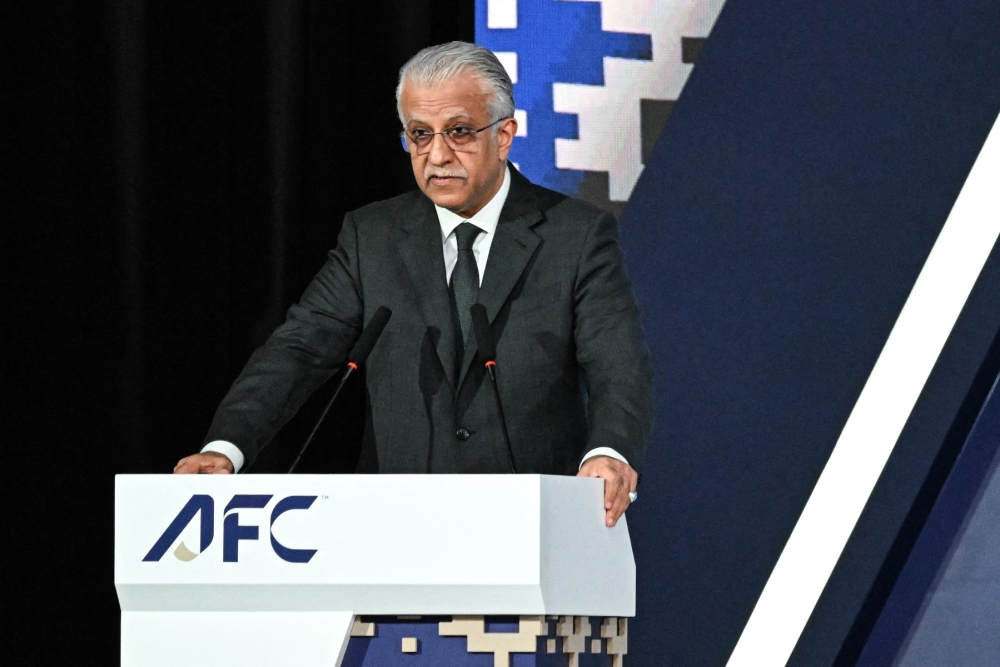
AFC president Sheikh Salman bin Ebrahim al-Khalifa has responded firmly, rejecting suggestions that he acted beyond his authority.
In a letter seen by AFP, the Bahraini official said his participation in the joint statement was carried out within the authority provided to him under the AFC constitution.
He also defended the AFC’s decision to speak out, arguing that the confederation has a responsibility to protect the interests, principles and values of football across Asia.
For Sheikh Salman, remaining silent in the face of concerns surrounding football’s governance would have conflicted with that responsibility.
The disagreement highlights a much larger question facing international football: how should global football organizations balance collective leadership, national interests and accountability at the highest level?
The AFC, UEFA and Concacaf have remained critical of Infantino’s investment proposal even after it was withdrawn. Their joint message argued that football leadership requires openness and accountability, particularly when decisions could affect the future commercial and competitive structure of the sport.
Infantino, however, has shown no indication that he intends to step away from his position.
Two weeks ago, during an emergency meeting he called in Morocco, senior FIFA directors reportedly gave the FIFA president their full support.
For football fans, the latest development is about more than one controversial proposal. It reflects a deeper debate over who gets to shape the future of the world’s most popular sport, how decisions are made, and whether football’s governing institutions can maintain unity when powerful members disagree.
The growing disagreement between Qatar and the AFC also shows how difficult it can be to maintain a united position across a continent with dozens of football associations, different national priorities and competing views about FIFA’s leadership.
As the debate continues, attention will remain firmly focused on the AFC, Qatar and FIFA. What began as a dispute over a proposed investment model has now evolved into a broader conversation about representation, authority and accountability in international football.
The coming months could determine whether the divisions remain an internal disagreement within Asian football or develop into a much larger challenge to the current balance of power in the global game.