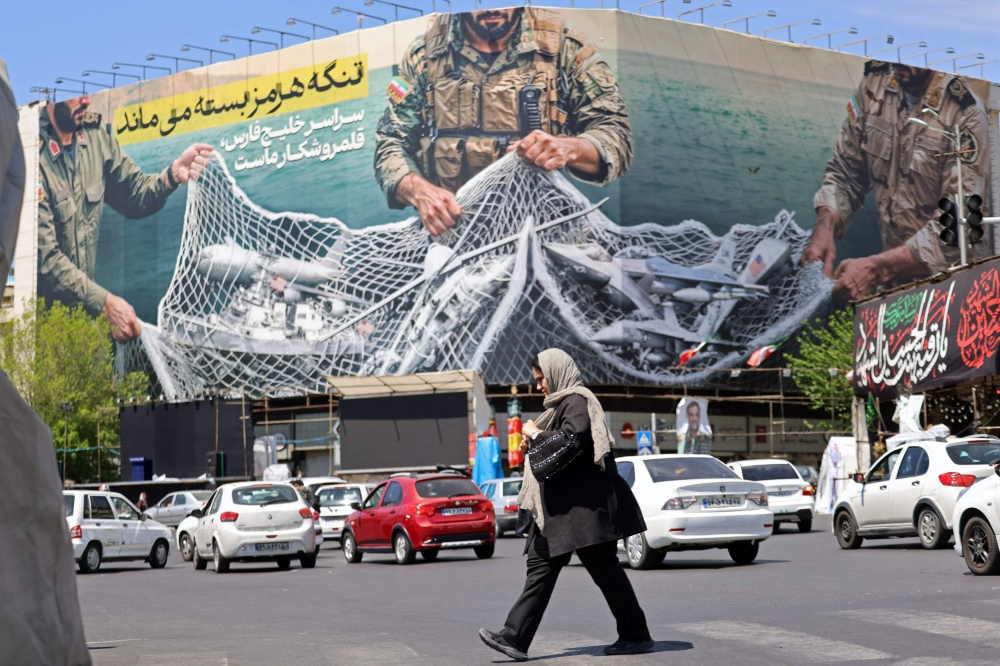
Iran is projecting confidence on the global stage after weeks of heightened tensions, with its leadership claiming a decisive upper hand in its standoff with the United States.
In a nationally televised address, Iranian parliamentary speaker Mohammad Bagher Ghalibaf stated that Iran had emerged “victorious in the field,” emphasizing that the country only agreed to a temporary ceasefire after securing its key demands. According to him, the United States failed to achieve its objectives during the confrontation.
The current ceasefire, which has held for two weeks, is set to expire on Wednesday unless renewed. While diplomatic efforts are ongoing, a permanent agreement remains uncertain. Mediators, including Pakistan, are actively working behind the scenes to bridge differences, but major sticking points continue to delay progress.
Ghalibaf underscored Iran’s strategic leverage, pointing to its control over the critical Strait of Hormuz, a vital maritime route for global oil shipments. He framed the ceasefire not as a concession, but as a calculated move rooted in strength and negotiation strategy.
“If we accepted the ceasefire, it was because they accepted our demands,” he said, reinforcing the narrative that Iran negotiated from a position of power. He further described diplomacy as “a method of struggle,” highlighting how negotiations are being used to assert national rights rather than compromise them.
Recent high-level discussions between Iranian officials and U.S. representatives, including a closed-door meeting with U.S. Vice President JD Vance in Islamabad earlier this month, signal a cautious reopening of dialogue. However, those talks did not produce a final agreement, and officials on both sides have indicated that further negotiations are still being arranged, with no confirmed timeline yet.
As the ceasefire deadline approaches, the world watches closely. Whether this fragile pause leads to a lasting resolution or a renewed escalation remains unclear. What is certain, however, is that both nations are shaping narratives of strength, leaving diplomacy walking a tightrope between conflict and compromise.