
Malaysia’s micro, small and medium enterprises (MSMEs) could see meaningful financial relief under proposed Budget 2027 measures, with around 300,000 businesses expected to benefit from lower income tax rates and potentially retain up to RM6,000 more in income each.
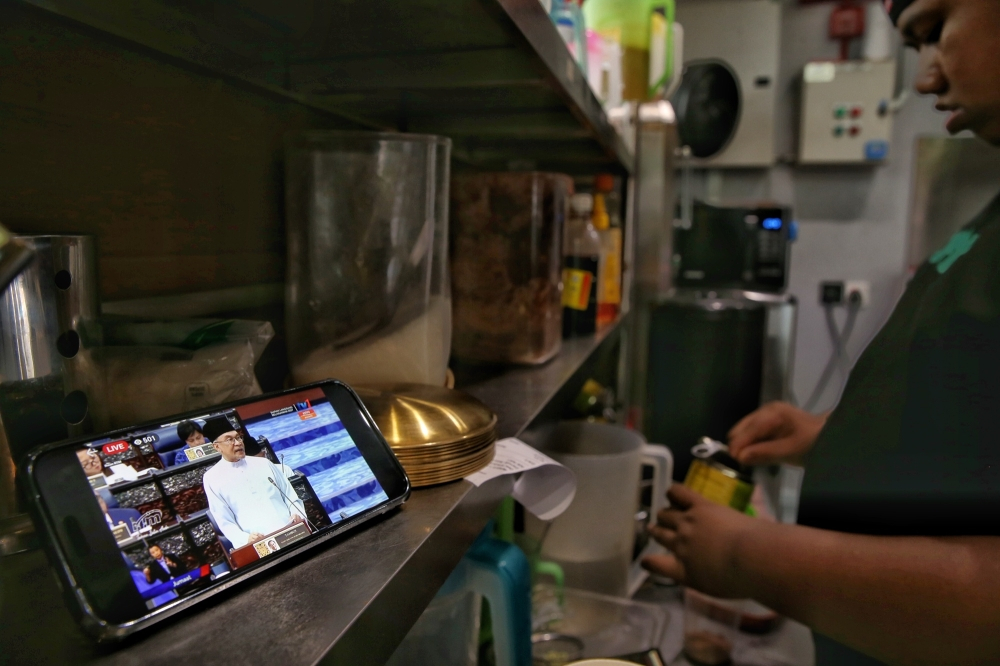
Prime Minister Datuk Seri Anwar Ibrahim announced that the federal government plans to reduce income tax rates for eligible MSMEs by one percentage point, responding to concerns among business owners about rising operating costs, cash flow pressures and the challenges of sustaining growth in a competitive economy.
Under the proposed changes, the tax rate for the first RM150,000 of taxable income would be reduced to 14 per cent. For taxable income exceeding RM150,000 up to RM600,000, the rate would be lowered to 16 per cent. The measures are intended to ease the financial burden on smaller businesses and provide them with greater flexibility to manage daily expenses, invest in operations and pursue new opportunities.
For small business owners, even a modest reduction in tax can make a difference. Additional funds could help businesses pay suppliers, improve equipment, strengthen their digital presence, hire employees or build a financial buffer against unexpected expenses. However, the actual savings will depend on each business’s taxable income and eligibility under the proposed rules.
The government has also proposed changes to capital allowance provisions. The qualifying limit for each small-value asset would increase to RM3,000, while businesses outside the MSME category would be allowed to claim an overall limit of RM30,000. These adjustments could make it easier for eligible businesses to claim tax allowances on qualifying purchases and invest in the tools and equipment needed to operate efficiently.
Manufacturers may also receive additional support through proposed sales tax relief measures. Under the announcement, manufacturers would be allowed to claim sales tax on machinery, replacement parts and equipment purchased from farmers or local distributors. The proposed coverage would also extend to raw materials used in producing pharmaceutical products, animal feed, fertilisers and pesticides, potentially helping businesses manage production costs and strengthen local supply chains.
Another proposed measure would extend the existing Accelerated Capital Allowance for capital expenditure on plant, machinery and information and communications technology equipment until December 31, 2030. The extension is intended to provide businesses with a longer planning horizon for investments in productivity, technology and operational improvements.
The proposals also include measures to make financing and banking arrangements more affordable. Loans obtained through peer-to-peer financing platforms would be subject to a proposed stamp duty of RM10 from January 1, 2027, until December 31, 2030. The government has also proposed a full stamp duty exemption for the opening of savings and current accounts from January 1, 2027.
To support mid-tier companies accessing credit facilities from banks, the government has further proposed a stamp duty of RM10 for agreements relating to the use of excess credit, provided the agreements are completed between January 1, 2027, and December 31, 2030.
Taken together, these proposals signal an effort to ease financial pressures on Malaysian businesses while encouraging investment, modernisation and access to financing. For MSMEs, which often operate with tighter margins and fewer financial reserves than larger corporations, targeted tax relief and lower transaction costs could provide additional room to plan for the future.
Nevertheless, business owners should distinguish between announced proposals and measures that have been formally implemented. They should monitor the final Budget 2027 provisions, eligibility requirements and relevant guidance from the authorities before making tax or investment decisions based on the proposed changes.
Ultimately, the impact of Budget 2027 will depend on how effectively the measures translate into real savings for businesses. For Malaysia’s small business community, the opportunity is not simply to pay less tax, but to use any savings strategically to strengthen operations, protect jobs, improve productivity and build more resilient businesses.