Indirect negotiations between the United States and Iran are expected to resume after the funeral ceremonies of Iran’s late Supreme Leader Ayatollah Ali Khamenei, according to international mediators. The discussions represent another step toward easing tensions in the Middle East after months of military confrontation and diplomatic uncertainty.
The latest round of talks took place in Doha, where representatives from both nations held separate meetings through mediators rather than engaging in direct negotiations. Officials from Qatar and Pakistan confirmed that the discussions showed encouraging progress and that both sides agreed to continue dialogue once the official mourning period concludes.
Pakistan’s government stated that separate meetings with American and Iranian delegations resulted in positive developments, with both parties expressing willingness to maintain communication. The next round of negotiations will be scheduled as soon as possible following the funeral processions honoring Iran’s former Supreme Leader.
Transition of leadership in Iran
Ayatollah Ali Khamenei was killed at the age of 86 during the opening day of the recent conflict. Following his death, leadership responsibilities were transferred to his son, Mojtaba Khamenei.
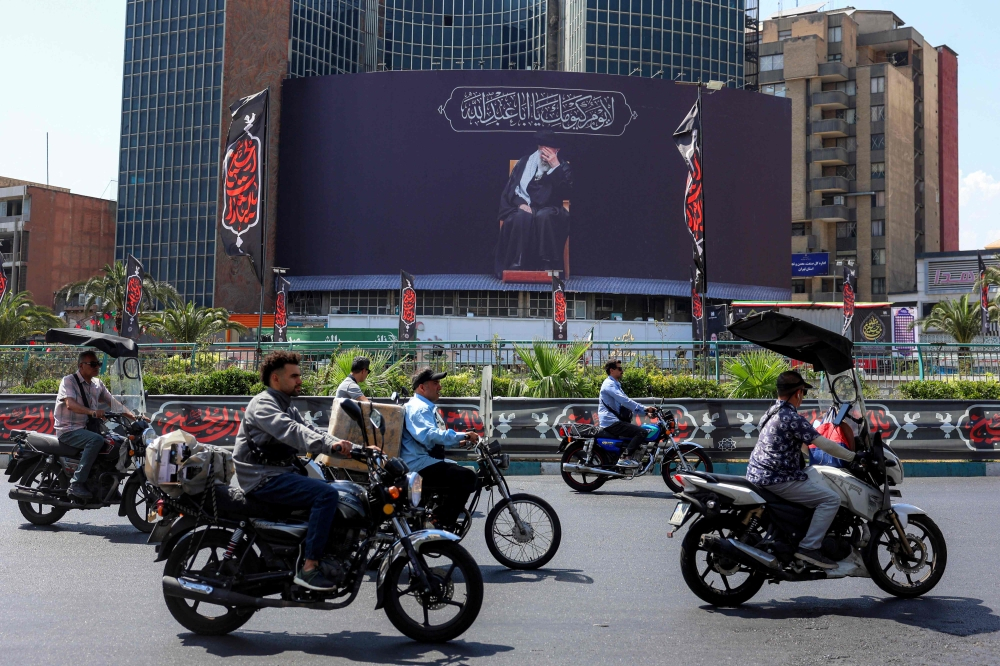
Iran has announced that public funeral ceremonies will begin on Saturday in Tehran, where thousands are expected to pay their final respects. The burial is scheduled for July 9 at the Imam Reza shrine in Mashhad, Khamenei’s birthplace and one of the country’s holiest religious sites.
Nuclear negotiations remain a central issue
Although both nations have reached an interim understanding aimed at reducing military tensions and reopening the strategically important Strait of Hormuz, several critical issues remain unresolved.
Iran’s nuclear programme continues to be one of the primary subjects of negotiation, alongside the release of frozen Iranian financial assets and the implementation of mechanisms to monitor compliance with future agreements.
Iranian Deputy Foreign Minister Kazem Gharibabadi, who headed Tehran’s delegation, confirmed that both sides agreed to establish a communication channel to document and report any alleged violations of the newly signed memorandum.
Iran has maintained its position that negotiations with the United States will continue indirectly through mediators rather than through face-to-face diplomatic meetings.
Trump expresses optimism
US President Donald Trump expressed confidence regarding the ongoing negotiations, saying the process surrounding Iran’s denuclearization was progressing positively.
Speaking before departing aboard Air Force One, Trump stated that despite recent military exchanges, diplomatic engagement between the two countries was moving in the right direction.
His comments reflected cautious optimism that continued negotiations could eventually lead to greater regional stability.
Frozen assets and humanitarian support discussed
Negotiators also addressed the issue of billions of dollars in frozen Iranian assets.
According to Iranian officials, discussions included plans to utilize part of an initial six-billion-dollar package to purchase humanitarian goods and essential supplies needed inside Iran.
The technical discussions focused on practical implementation rather than political decision-making, with senior US envoys not directly participating in this round of meetings.
Strait of Hormuz remains a major concern
Security surrounding the Strait of Hormuz continues to be one of the most sensitive issues in the negotiations.
Although an interim agreement has reopened the crucial global shipping route, recent military incidents have highlighted the fragile nature of the ceasefire.
Iran recently targeted a commercial vessel it claimed had violated its approved navigation route through the strait, prompting military responses from US Central Command.
Iran later launched strikes targeting American military bases in Kuwait and Bahrain, actions that drew criticism from Gulf nations.
Meanwhile, CENTCOM hosted a regional security meeting in Bahrain involving defence officials from twelve countries to discuss protecting commercial shipping and maintaining stability in Gulf waters.
Iran rejected CENTCOM’s position, insisting that responsibility for the Strait of Hormuz rests with Iran rather than foreign military forces.
Iranian officials argued that long-term regional security can only be achieved through respect for national sovereignty, reduced foreign military involvement, and diplomatic cooperation among neighboring countries.
Lebanon conflict remains part of wider negotiations
The broader Middle East peace process also includes discussions surrounding Lebanon.
Hostilities between Israel and Hezbollah have decreased significantly in recent weeks after months of cross-border fighting.
Iran continues to insist that any comprehensive regional agreement should include an end to military operations in Lebanon and the withdrawal of Israeli troops from southern Lebanese territory.
Negotiators acknowledge that implementing any future agreement will require patience, monitoring, and continued international cooperation.
Diplomacy offers cautious hope
While substantial challenges remain, the latest diplomatic efforts suggest that both Washington and Tehran are keeping communication channels open despite continuing disagreements.
The coming weeks will likely determine whether the current momentum can evolve into a more comprehensive agreement addressing regional security, nuclear concerns, humanitarian issues, and long-term peace in the Middle East.
As negotiations resume after the funeral ceremonies, global leaders will be closely watching whether diplomacy can gradually replace confrontation and create a more stable future for the region.