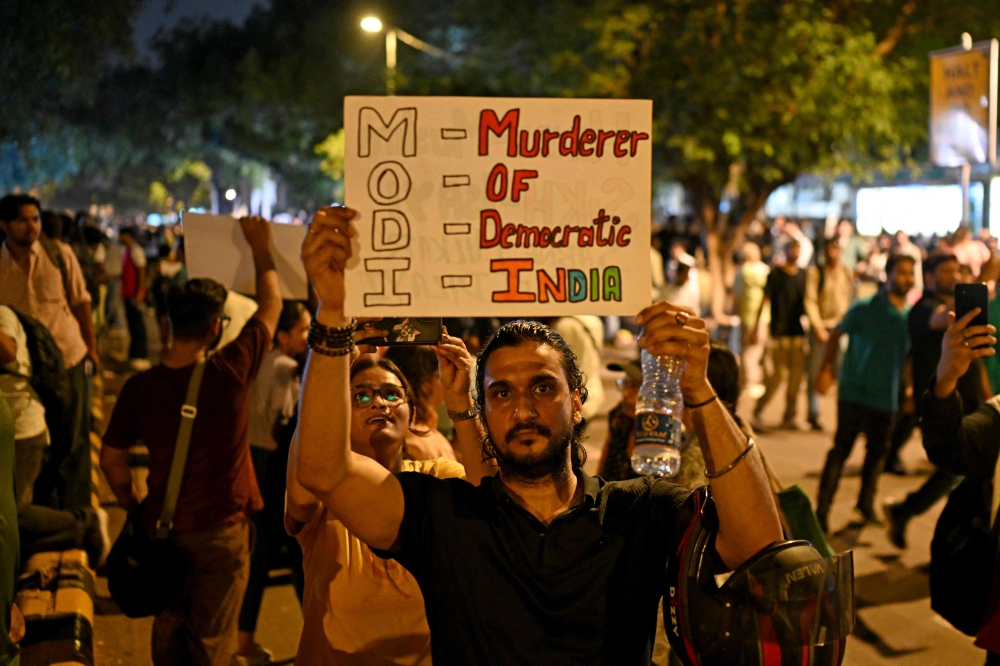
India’s youth-led Cockroach Janta Party (CJP) has entered a new phase of its growing campaign for accountability, urging authorities to immediately release all protesters detained during nationwide demonstrations and to withdraw criminal cases filed against them.
The movement, which gained national attention after demanding reforms in India’s examination system, says students and young activists should not face punishment for peacefully raising concerns over repeated exam paper leaks and irregularities.
In a statement released on Monday, the CJP expressed concern over reports that students remain in detention in several states, including Assam, West Bengal, and Bihar. According to the group, keeping protesters behind bars or pursuing legal action against them would undermine public confidence and violate earlier assurances reportedly given by authorities.
The organization warned that if those detained are not released and legal cases are not withdrawn, it will consider taking additional peaceful and democratic steps to continue its campaign.
The latest demand comes shortly after the resignation of Education Minister Dharmendra Pradhan, who stepped down following mounting public pressure over repeated failures in the administration of major competitive examinations. The controversy sparked widespread frustration among millions of students whose futures were affected by alleged exam leaks and procedural failures.
The Cockroach Janta Party has accused the government of reversing its earlier promise that participants in the demonstrations would not face punitive measures. The movement insists that students exercising their democratic rights should not be criminalized.
Founded in May by 30-year-old public relations graduate Abhijeet Dipke, the CJP quickly transformed from an online initiative into one of India’s fastest-growing youth movements. Through social media, the organization has attracted millions of supporters and mobilized thousands of students across the country.
Large-scale demonstrations recently took place in New Delhi and several other major cities, with protesters demanding greater transparency, fairness, and accountability in India’s examination system. Many participants also called for structural reforms to prevent future paper leaks and restore public trust in educational institutions.
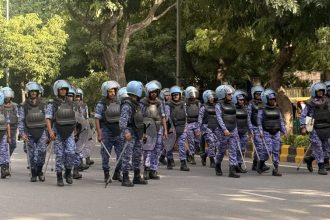
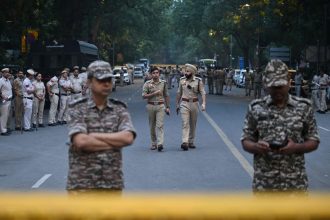
Tensions escalated on July 20 when demonstrators attempted to march toward Parliament from the Jantar Mantar protest site. Police responded with tear gas and baton charges to disperse the crowds, resulting in clashes and numerous detentions.
The issue also dominated parliamentary proceedings, where opposition lawmakers repeatedly questioned the government’s handling of the protests and criticized the police response. Despite interruptions, the government introduced new legislation aimed at imposing stricter penalties on individuals responsible for examination paper leaks.
As the movement continues to grow, many observers see it as a reflection of increasing frustration among India’s younger generation. Beyond the resignation of a minister, the campaign has evolved into a broader demand for transparency, fairness, accountability, and respect for democratic freedoms.